BIOCHAR

Sociis mattis laboris porta lacinia occaecati cum ab? Cum esse augue quisque. Incididunt torquent, facere, pariatur, perferendis quisque laboris rutrum.

WHAT IS BIOCHAR

The origins of biochar date back thousands of years and are closely linked to ancient agricultural practices. 
HISTORICAL ORIGINS OF BIOCHAR AS A SOIL AMENDMENT

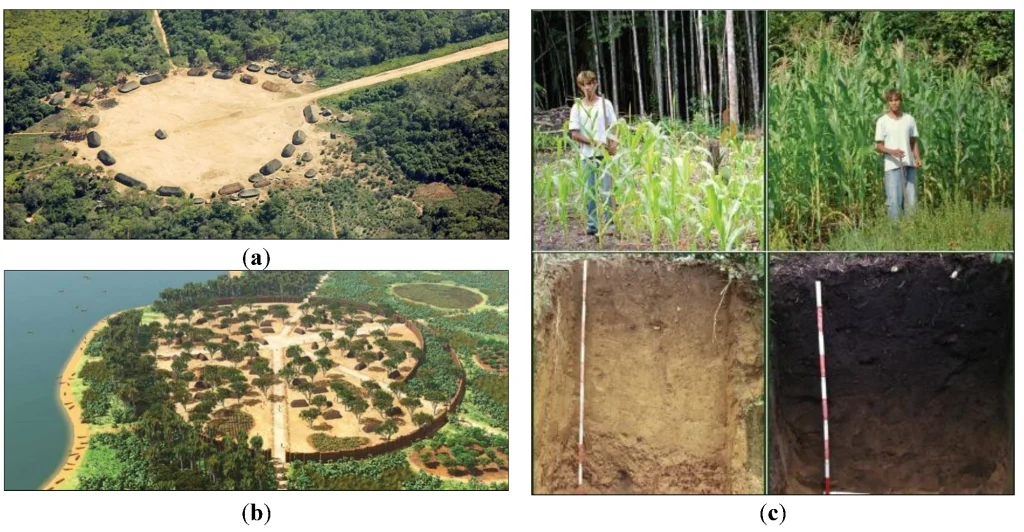
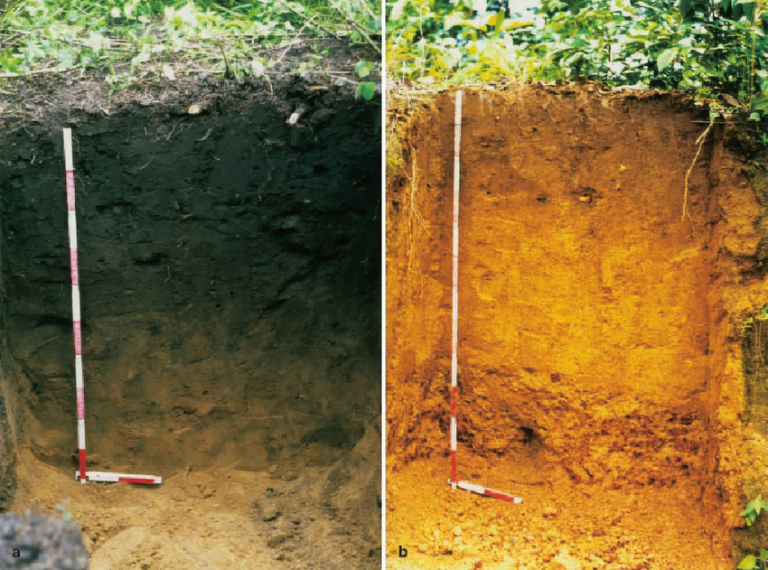
  • Amazon Basin: One of the most well-known origins of biochar is the Amazon Basin, where indigenous peoples created “Terra Preta” (Portuguese for “black earth”) soils. These are highly fertile, man-made soils enriched with biochar, organic matter, and nutrients. Terra Preta soils have been found to be much more productive than the surrounding infertile soils and have maintained their fertility for centuries.
  • Indigenous Techniques: Indigenous peoples in the Amazon and other regions discovered that adding charred organic matter to the soil improved its fertility. They used methods such as slash-and-burn or slash-and-char, where vegetation was burned in a controlled manner to produce charcoal, which was then incorporated into the soil.

MODERN REDISCOVERY OF “TERRA PRETA AMAZONIAN BLACK EARTH”

  • Research and Interest: “Terra preta” was discovered in the 1950’s by Dutch soil Scientist Wim Sombroek in the Amazon rainforest. Terra preta still covers 10% of the Amazon Basin. Similar sites have been found in Ecuador, Peru, Benin and Liberia in West Africa. These findings of this remarkable fertility of these soils to this day and its sustainability lead to  modern scientific interest in the late 20th century. Vast research was began by studying the properties and benefits of this Black Earth as well as the harvesting of it to the use in agriculture. This renewed interest in its use as a soil amendment in  agriculture and other uses for it is still ongoing today, with over 30 000 studies been done to date.

GLOBAL RESEARCH

  • Global Adoption: Today, Biochar is being researched and more widely utilized worldwide as a soil amendment in agricultural practices as well as livestock farming. Countries around the World have been exploring various methods of “Innoculation and Charging of the Biochar to make better and more bespoke blends for different crops as well as ornamental plants, giving  potential to improve plant health, enhance crop yields, and allowing Living Soils to be created with better longevity.


BIOCHAR PROCESS & USES

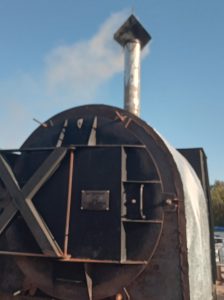
There are no roaring flames in a biochar kiln. Instead, biomass of different kinds is slowly baked until it becomes a carbon-rich char.

This process is called pyrolysis, which refers to the chemical decomposition of organic material when exposed to elevated temperatures in an atmosphere with restricted levels of oxygen.

BIOMASS

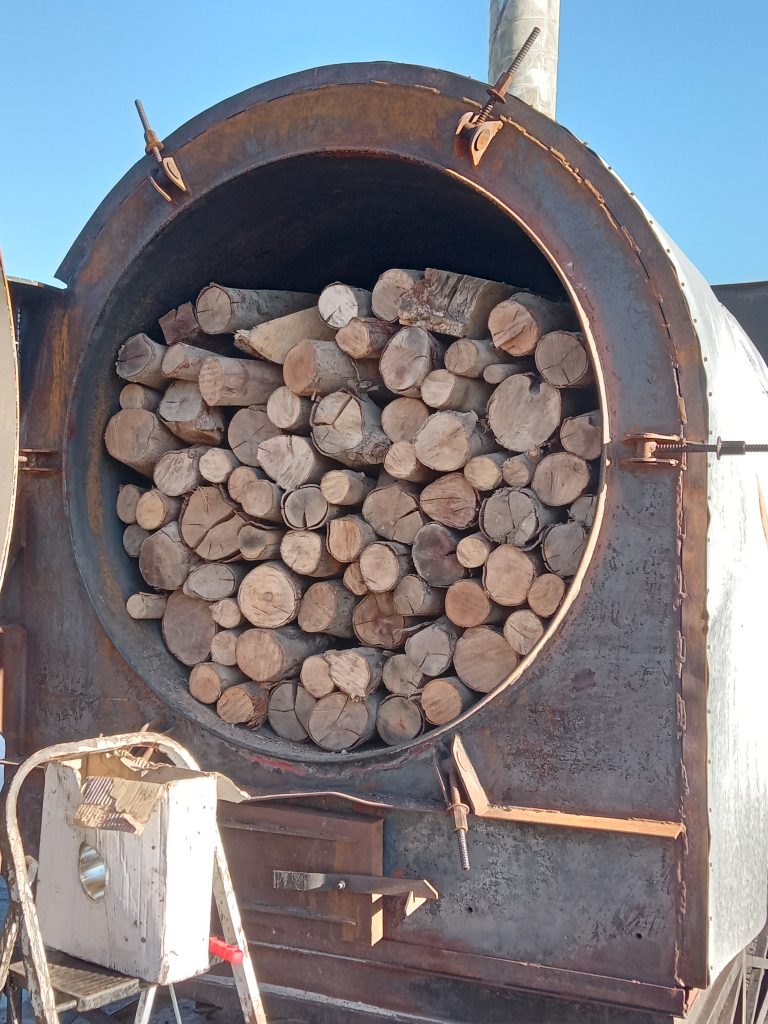
Biomass is renewable organic material that comes from plants and animals. Biomass contains stored chemical energy from the sun that is produced by plants through photosynthesis. Biomass can be burned directly for heat or converted to liquid and gaseous fuels through various processes. We use mainly hardwoods/
PYROLYSIS

This process is pyrolysis, which refers to the chemical decomposition of organic material when exposed to elevated temperatures in an atmosphere with restricted levels of oxygen. We do this in a Kiln Retorting system and the process takes anything from 8-12 hrs depending on the Feedstock
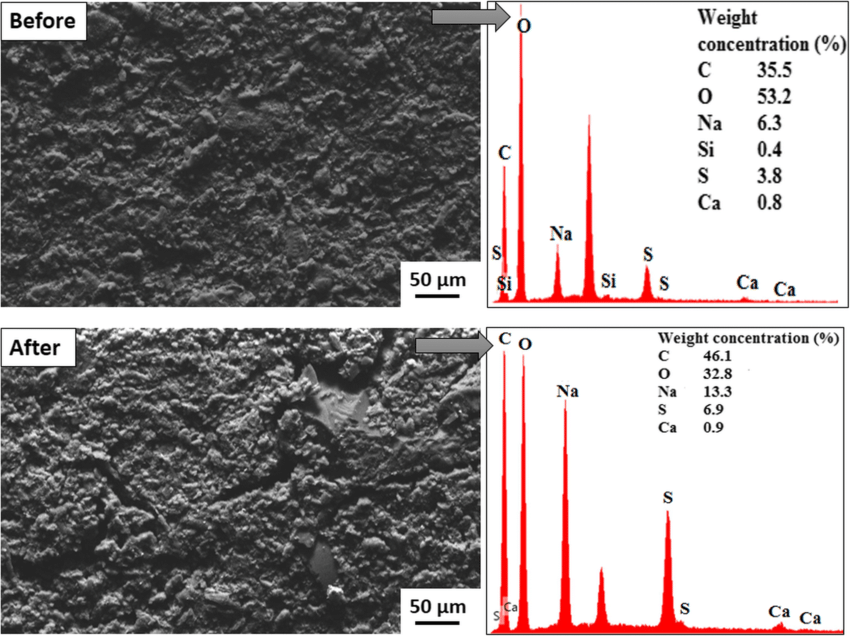
BIOCHAR " CHARGING & INNOCULATION "

Biomass is renewable organic material that comes from plants and animals. Biomass contains stored chemical energy from the sun that is produced by plants through photosynthesis. Biomass can be burned directly for heat or converted to liquid and gaseous fuels through various processes
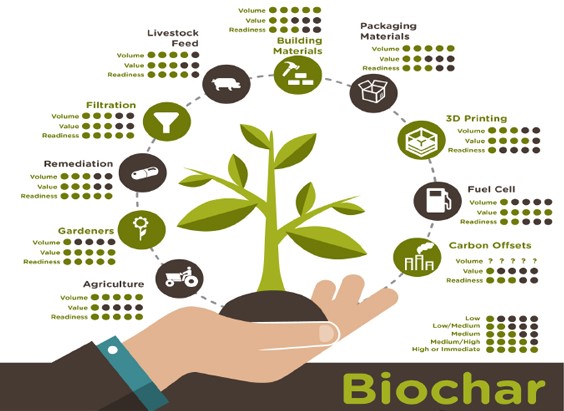
BICHAR USES

Biomass is renewable organic material that comes from plants and animals. Biomass contains stored chemical energy from the sun that is produced by plants through photosynthesis. Biomass can be burned directly for heat or converted to liquid and gaseous fuels through various processes
WOOD VINEGAR AND ITS USES

Biomass is renewable organic material that comes from plants and animals. Biomass contains stored chemical energy from the sun that is produced by plants through photosynthesis. Biomass can be burned directly for heat or converted to liquid and gaseous fuels through various processes